“Only wimps use tape backup: REAL men just upload their important stuff on ftp, and let the rest of the world mirror it” – Linus Torvalds – I really don’t have a clue whether that quote was intended as a joke or not but that’s beside the point. If you’ve worked in the IT industry for a […]
PostUsing the Cluster Preparation Checklist for Deploying SQL Server Failover Clustered Instances and Always On Availability Groups
Failing to plan is planning to fail Designing and deploying high availability solutions takes a lot of preparation and planning. Whenever I do presentations that involve demos of creating SQL Server failover clustered instances (FCIs) and Availability Groups (AGs,) I emphasize that while the demo only takes less than 20 minutes to complete, it takes […]
PostPartition-Level Online Index Operations in SQL Server 2014 and its Impact in HA/DR
One of the cool features introduced in SQL Server 2014 was the ability to perform an online index rebuild of a single partition. Prior to SQL Server 2014, the only way to rebuild indexes for a partitioned table was to do it on all of the partitions (or, simply put, rebuild the entire index on […]
PostWhy We Need To Understand How Active Directory Affects SQL Server High Availability
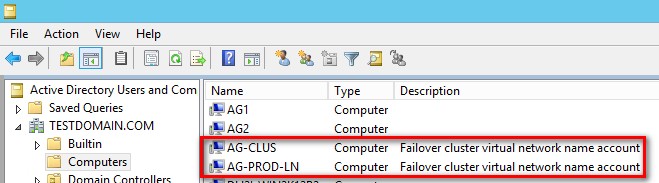
But I’ll tell you what hermits realize. If you go off into a far, far forest and get very quiet, you’ll come to understand that you’re connected with everything. – Alan Watts – WARNING: There will be a ton of acronyms in this blog post. Make sure to keep your notebook handy for note-taking […]
PostVideo: Simplify Installation of a 2-node SQL Server Failover Clustered Instance on Windows Server 2012 (and higher versions)
I like writing step-by-step guides because they make good documentation for folks like me who keep forgetting how to do things. The guide makes the process repeatable and can easily be shared with junior members of your team. But with the different ways we consume information nowadays, written documentation does not suffice anymore. Besides, providing different […]
PostSo, You Think Your SQL Server Always On Availability Group Is Really Highly Available?
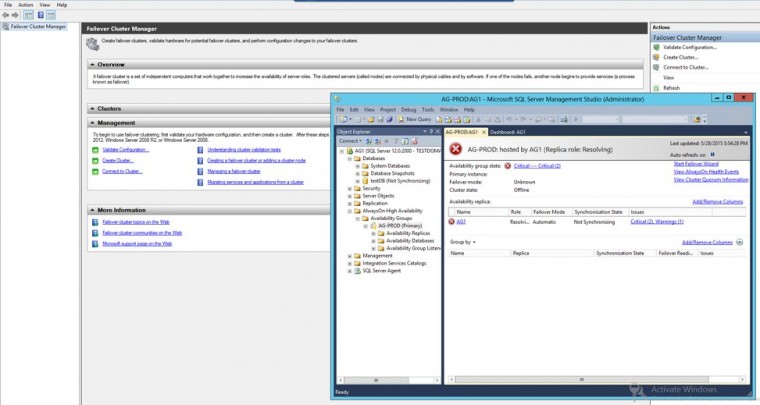
This is a question that I regularly ask those attending my high availability and disaster recovery presentations: is your SQL Server Always On Availability Group really highly available? Now, don’t get me wrong. I love the Always On Availability Groups feature in SQL Server (except for the price tag of an Enterprise Edition license.) But […]
PostWhy it is necessary to understand the underlying infrastructure even though you’re a DBA

I keep highlighting that it is necessary for DBAs to understand the underlying infrastructure as it helps when it comes to resolving issues. I was having connectivity issues with my SQL Server 2019 instance as sqlcmd is throwing this error HResult 0xFFFFFFFF, Level 16, State 1SQL Network Interfaces: Error Locating Server/Instance Specified [xFFFFFFFF].Sqlcmd: Error: […]
PostKnowing and Understanding Your Disaster Recovery Strategy
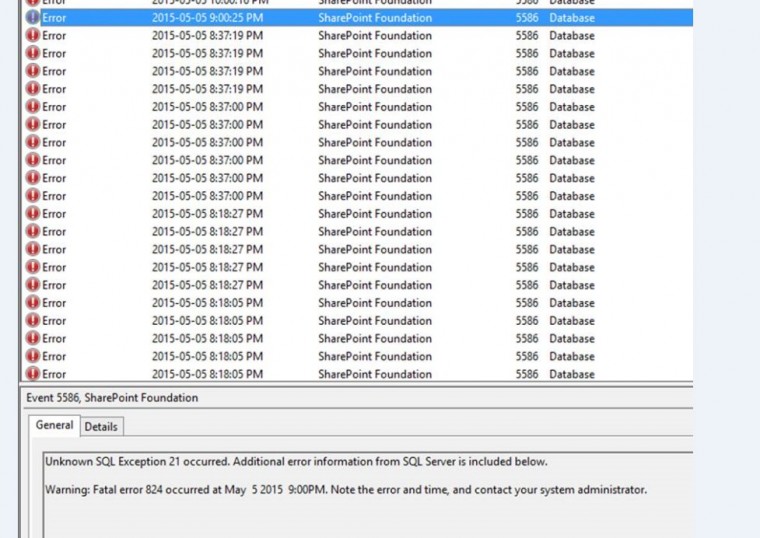
This last weekend, I had the opportunity to speak at SharePoint Saturday Montreal – being one of the few English speakers for the event – on the topic of SQL Server high availability and disaster recovery options for SharePoint. After my presentation, one of my SharePoint MVP friends approached me about a database corruption issue that happened on […]
PostData Types and How They Affect HA/DR
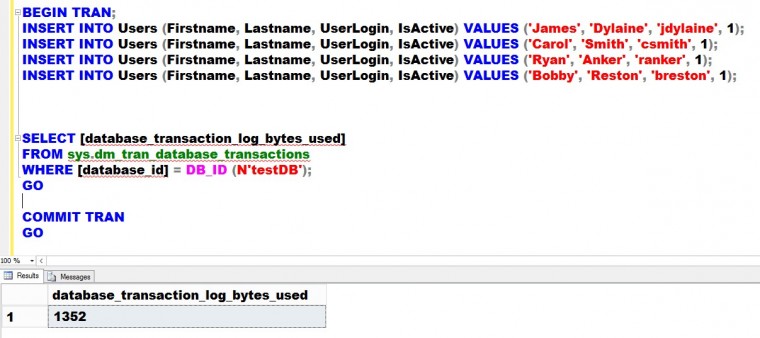
I previously wrote about Data Types and How They Affect Database Performance which was a way to get database developers to think about the small things that affect overall performance. As a high availability and disaster recovery (HA/DR) professional myself, I like to think of how data types affect database availability and recoverability. The fact […]
PostUpgrading SQL Server 2005 Databases to SQL Server 2014 (and higher) using Database Mirroring
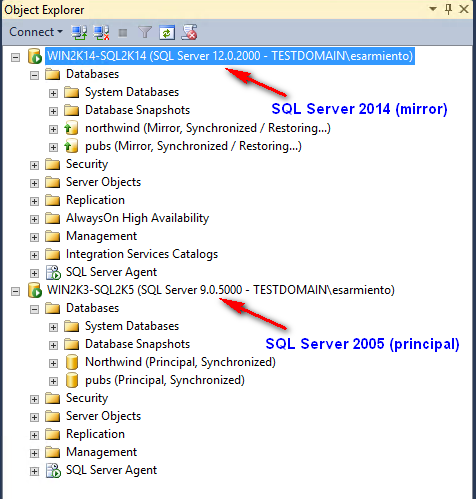
It is a reality for a lot of customers – they still have SQL Server 2005 in their environments. It is only now that they are planning for upgrading their databases to the latest version of SQL Server. In a previous blog post, I talked about how to integrate Microsoft Product Lifecycle and Support Policies into […]