When I first started driving in North America, one of the things that I noticed along the freeway is a self-storage facility. Having not seen one before, I asked my dad what they were for – they are space rented out on a short-term basis where you can keep your personal stuff. If people don’t have enough space […]
PostThe Lifeblood Across The Wire

SQL Server Availability Groups have been around for a while. A lot of organizations are still in the process of implementing them as they upgrade their database platforms to the latest version of SQL Server. As more and more organizations move away from older versions and into the newer ones, Availability Groups will become much […]
PostMuch Ado About DNS
SQL Server Availability Groups have been around for a while. A lot of organizations are still in the process of implementing them as they upgrade their database platforms to the latest version of SQL Server. As more and more organizations move away from older versions and into the newer ones, Availability Groups will become much […]
PostWhy Active Directory Domain Services Authentication Matters

SQL Server Availability Groups have been around for a while. A lot of organizations are still in the process of implementing them as they upgrade their database platforms to the latest version of SQL Server. As more and more organizations move away from older versions and into the newer ones, Availability Groups will become much […]
PostProviding High Availability to SQL Server Reporting Services
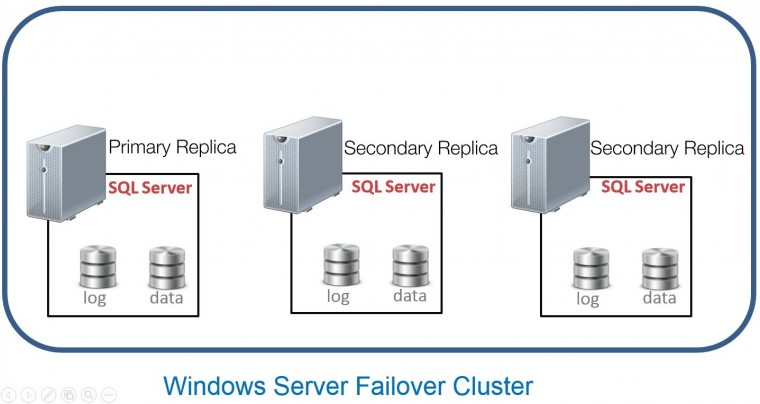
One of the most common question I get asked is, “Can I use Windows Server Failover Clustering (WSFC) for SQL Server Reporting Services?” The primary intent behind this question is high availability. And when high availability is a requirement for a Microsoft product, the first thing that comes to mind is a WSFC. SQL Server Reporting Services […]
PostThe US$ 50,000 Nested Parenthesis
In a previous blog post, I talked about the new SQL Server 2016 Availability Groups Load Balancing of Read-Only Replicas feature (I know that’s a mouthful but it’s how I understand the concept.) I explained how the precedence rules in defining how the read-only workload is balanced across multiple readable secondary replicas using nested parenthesis. […]
PostChange Management: The Little-Known Secret In Operational Efficiency

One of the most annoying practice that I’ve learned decades ago when I was a data center engineer is change management. Change management is a formal process that defines a set of procedures and steps to manage all changes, updates, or modifications to hardware and software (systems) across an organization. My personal definition of […]
PostWhat Holiday Emergencies Can Teach Us About Disaster Recovery
Christmas and New Year have just gone by. You may have stories about how you celebrated the holidays – the sumptuous meals shared with all of the family members, the conversations around the fireplace, opening gifts on Christmas eve, etc. Ours is a bit different than usual. Because, on the day before Christmas, we were on […]
PostVideo: Unexpected SQL Server Backups Break Your Disaster Recovery Strategy
In a previous blog post, I talked about the possibility of having unexpected SQL Server database backups that can affect your disaster recovery strategy. You certainly don’t want to be caught off-guard when that happens. I’ve provided a very simple use case of how it can happen – and it did happen to me a […]
PostIntroducing the New SQL Server 2016 Availability Groups Load Balancing of Read-Only Replicas
About four years ago, I did my very first webcast on the Availability Groups feature in SQL Server 2012. The premise of the presentation was how we can provide high availability features to existing SQL Server workloads without making changes to the underlying storage. For my demo, I used an existing database mirroring configuration for high […]