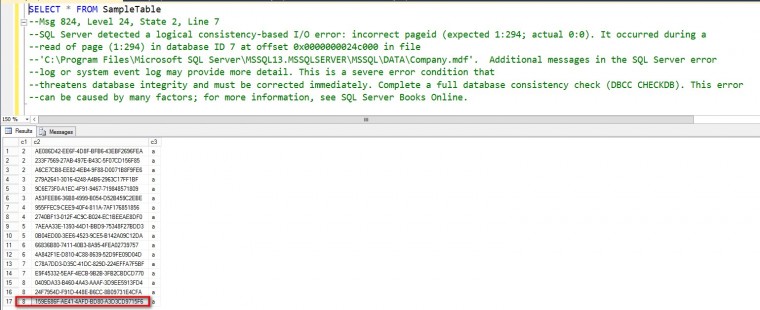
Last week, I wrote about a database corruption case that I had the opportunity to work on. I spent a fair amount of time on the phone with the database developer to understand what the columns are for, what their values represent and the corresponding relationships with other tables. In the process of trying to recover as […]
A recent conversation that we had around the dinner table revolved around fire safety hazards. The last week of November happened to be the National Home Fire Safety Week in Canada and promotes fire safety in homes and residential areas. Home insurance companies would recommend having a fire extinguisher at home placed in the kitchen or […]
There are only two ways that can truncate your SQL Server log files – a checkpoint process when the database is in simple (or pseudo-simple) recovery model or a log backup when the database is in full or bulk-logged recovery models. In order for log truncation to occur, the virtual log files (VLFs) need to […]
As SQL Server 2005 approaches the end of its support next year, customers can start planning for upgrading their databases to SQL Server 2014. In a previous blog post, I talked about how to integrate Microsoft Product Lifecycle and Support Policies into IT Operations which concluded with planning upgrades and migration based on the version […]
As you go thru different phases in your career as a SQL Server professional, you progress from being a technician (primary task is more focused on operations) to a designer/architect (primary task is focused on designing a solution and eventually assists in building it.) A technician will be more concerned about a single aspect of a […]
Last week at Live360, I have had the opportunity to deliver my workshop on Windows Server Failover Clustering (WSFC) for SQL Server DBAs. The workshop was based on an online course that I am about to re-release. One of the things I like about delivering presentations is that I learn a lot from the attendees […]
One of my favorite topics in SQL Server is transaction log internals. When I first got started with SQL Server, I thought all I needed to do with the transaction log was to run regular log backups to make sure they don’t grow unexpectedly. Until I realized that there was more to it than I knew. […]
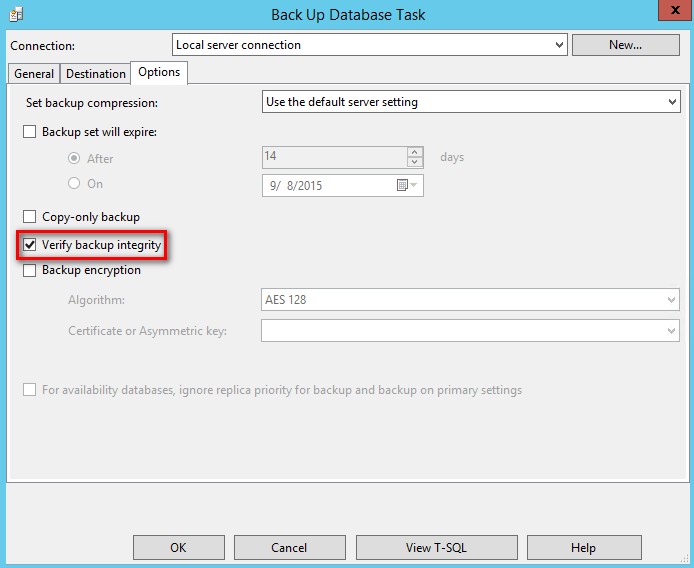
I recently had a conversation with a SQL Server DBA about making sure that backups do work as expected. And while I try not to use scary tactics to convince people to change their way of thinking, this particular example needed it. I’ve written a blog post about why I don’t trust the “Verify […]
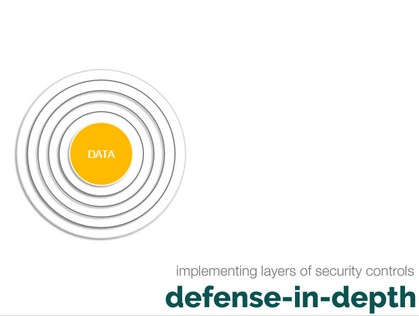
In a previous blog post, I talked about the three key aspects of managing your databases – security, performance and availability. I call it “taking your databases to a S.P.A.” In the blog post, I referred to an infographic that Idera published about their accidental DBA survey results, highlighting how security and availability are not getting […]
I’ve deployed several SQL Server Always On Availability Groups in the past with high availability being the primary requirement. In some environments, there is a requirement to protect sensitive data for security and compliance reasons. Back in 2013, I had a customer who wanted to implement Always On Availability Groups for their databases. They were moving their […]
We use cookies to ensure that we give you the best experience on our website. If you continue to use this site we will assume that you are happy with it.